
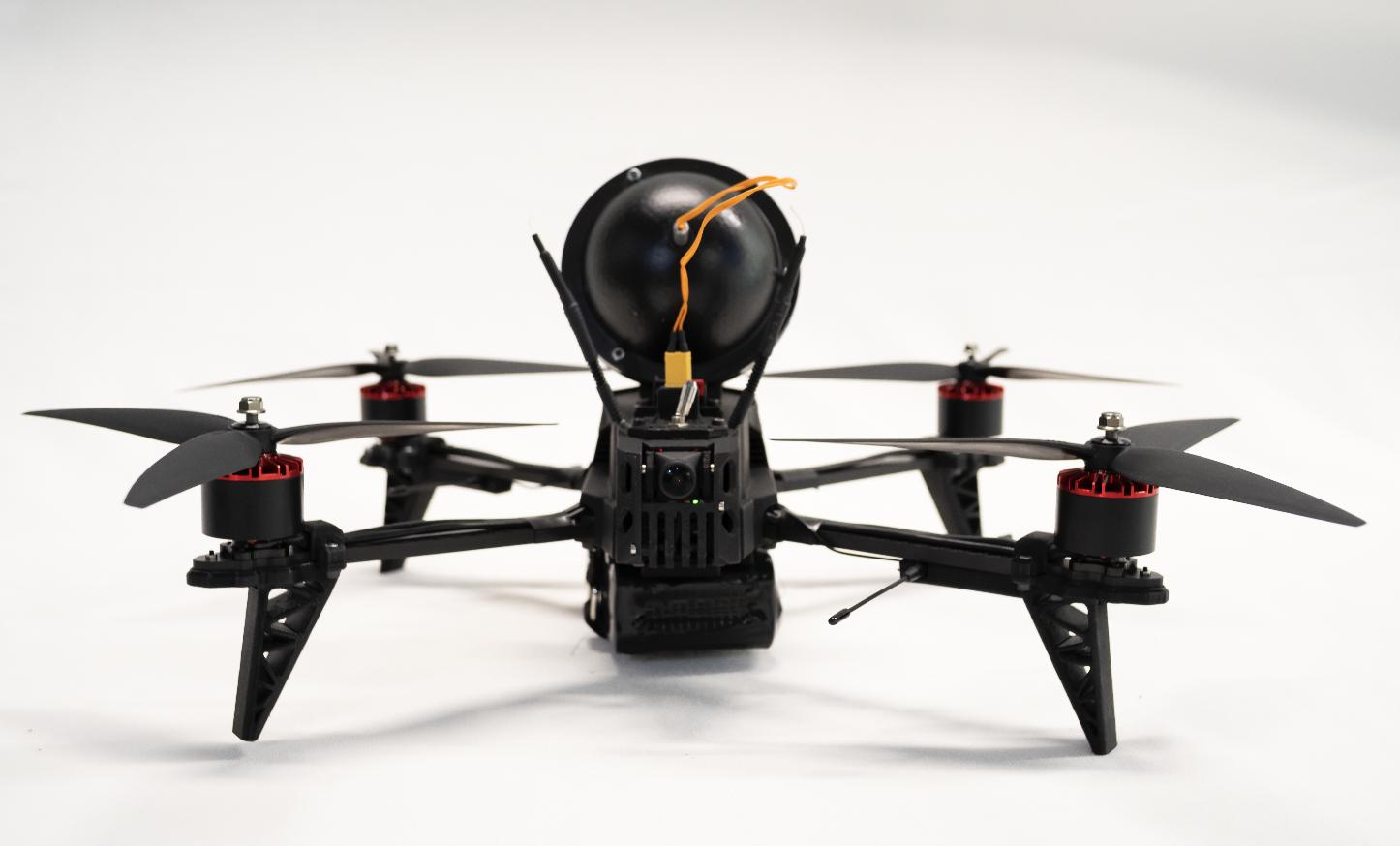
Selecting the right UAV platform is one of the most important factors in mission success. Different operational environments require different flight characteristics, deployment methods, endurance profiles, and payload integration capabilities. At UHUAV, we develop mission-specific UAV platforms designed to match real operational demands across industrial, security, surveillance, inspection, mapping, reconnaissance, and defense-relevant applications. Rather than forcing every mission into a single airframe concept, our platform approach is built around adaptability, allowing different UAV classes to serve different mission profiles with higher efficiency and better operational alignment.
VTOL Drone Platforms for Flexible Launch and Long-Range Coverage
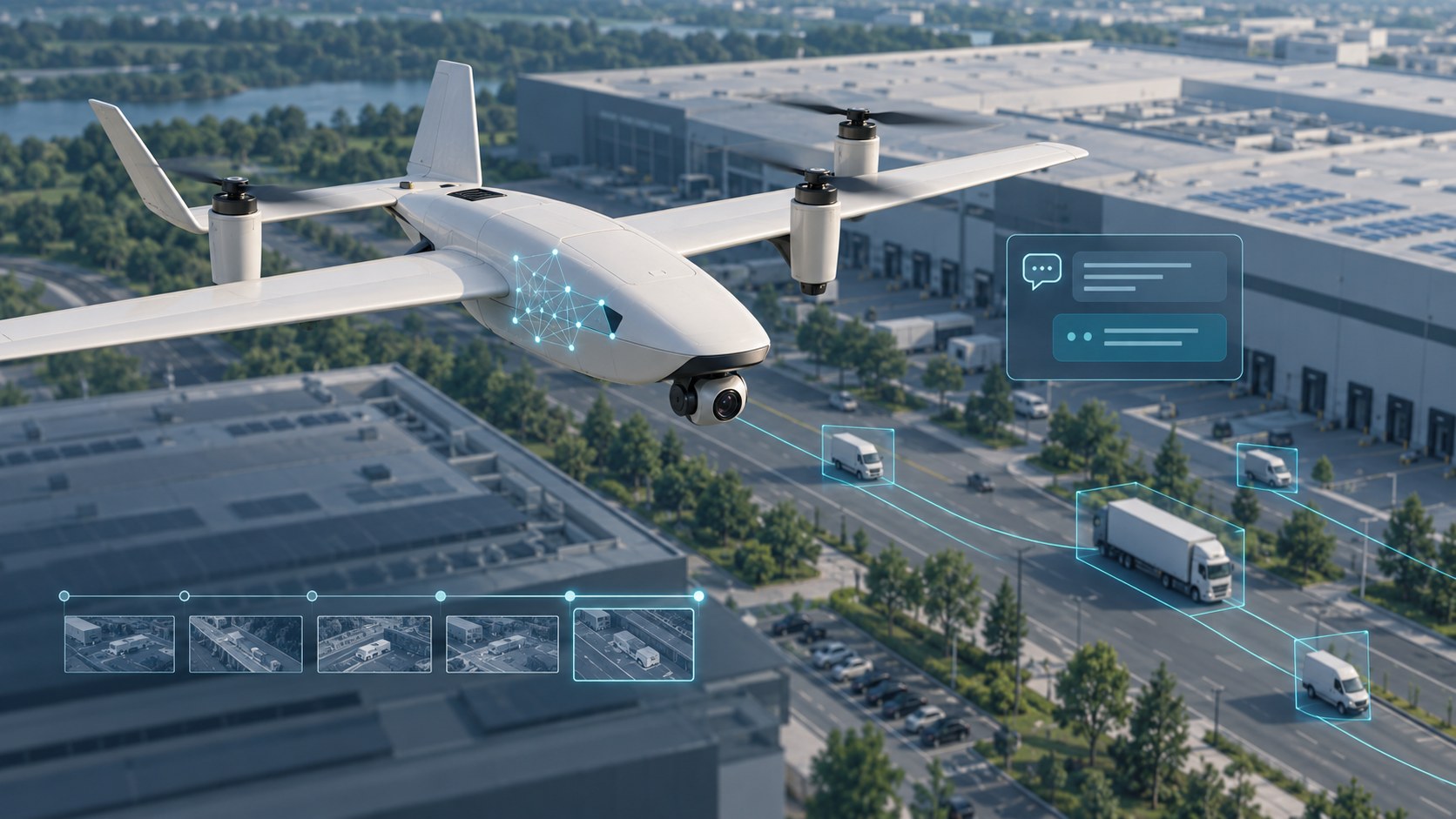
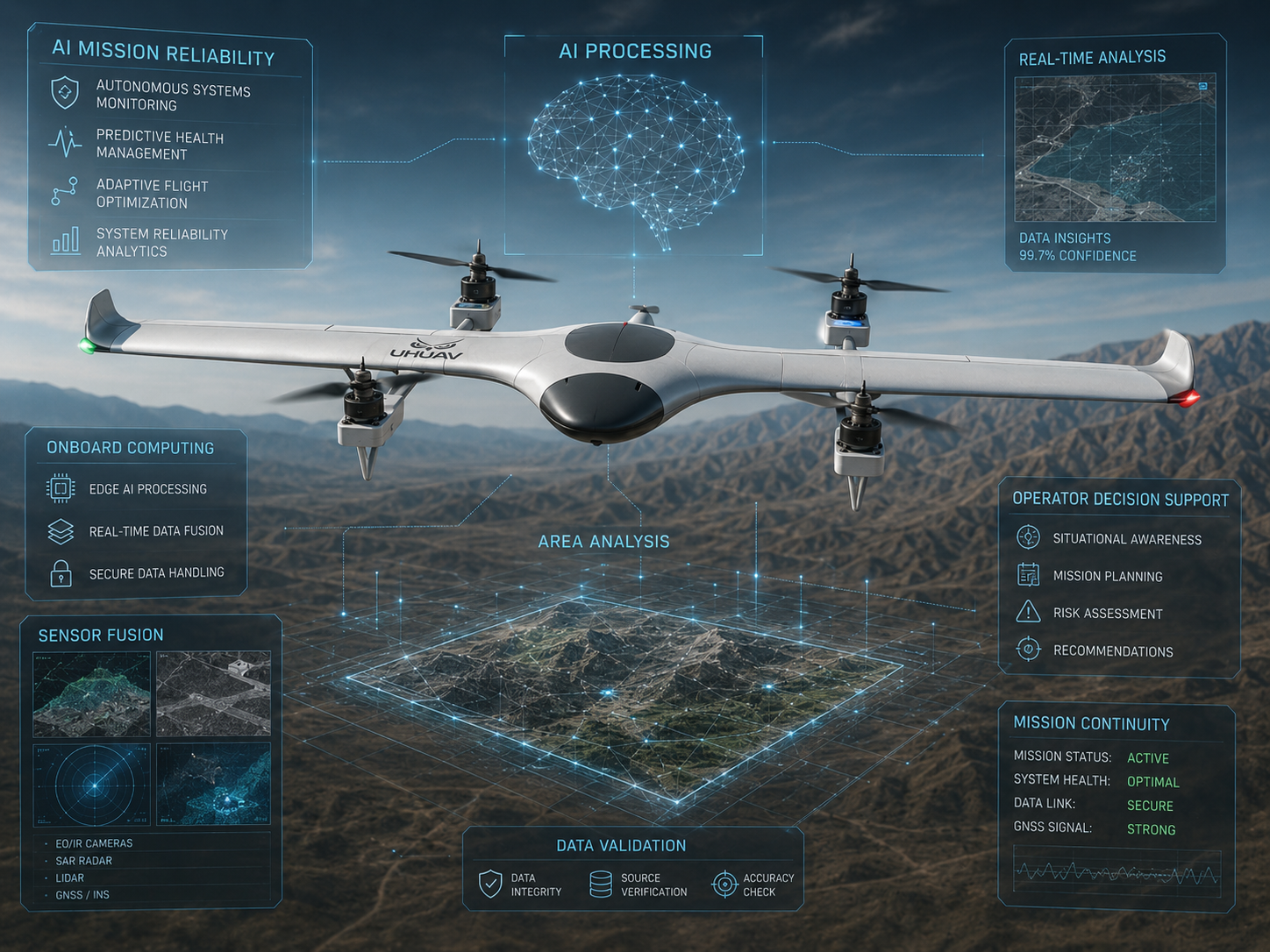
A VTOL drone platform combines the operational flexibility of vertical takeoff and landing with the aerodynamic efficiency and endurance advantages of fixed-wing flight. This makes VTOL UAV systems highly effective in environments where runway access is restricted or unavailable, but long-range area coverage is still required. By eliminating dependence on prepared launch infrastructure, VTOL configurations support rapid field deployment while maintaining the ability to cover wide operational zones. These characteristics make them well suited for mapping, wide-area surveillance, inspection, route monitoring, environmental observation, and long-endurance mission profiles in complex terrain and constrained deployment environments.
Hand-Launched Fixed-Wing UAVs for Portable Field Deployment
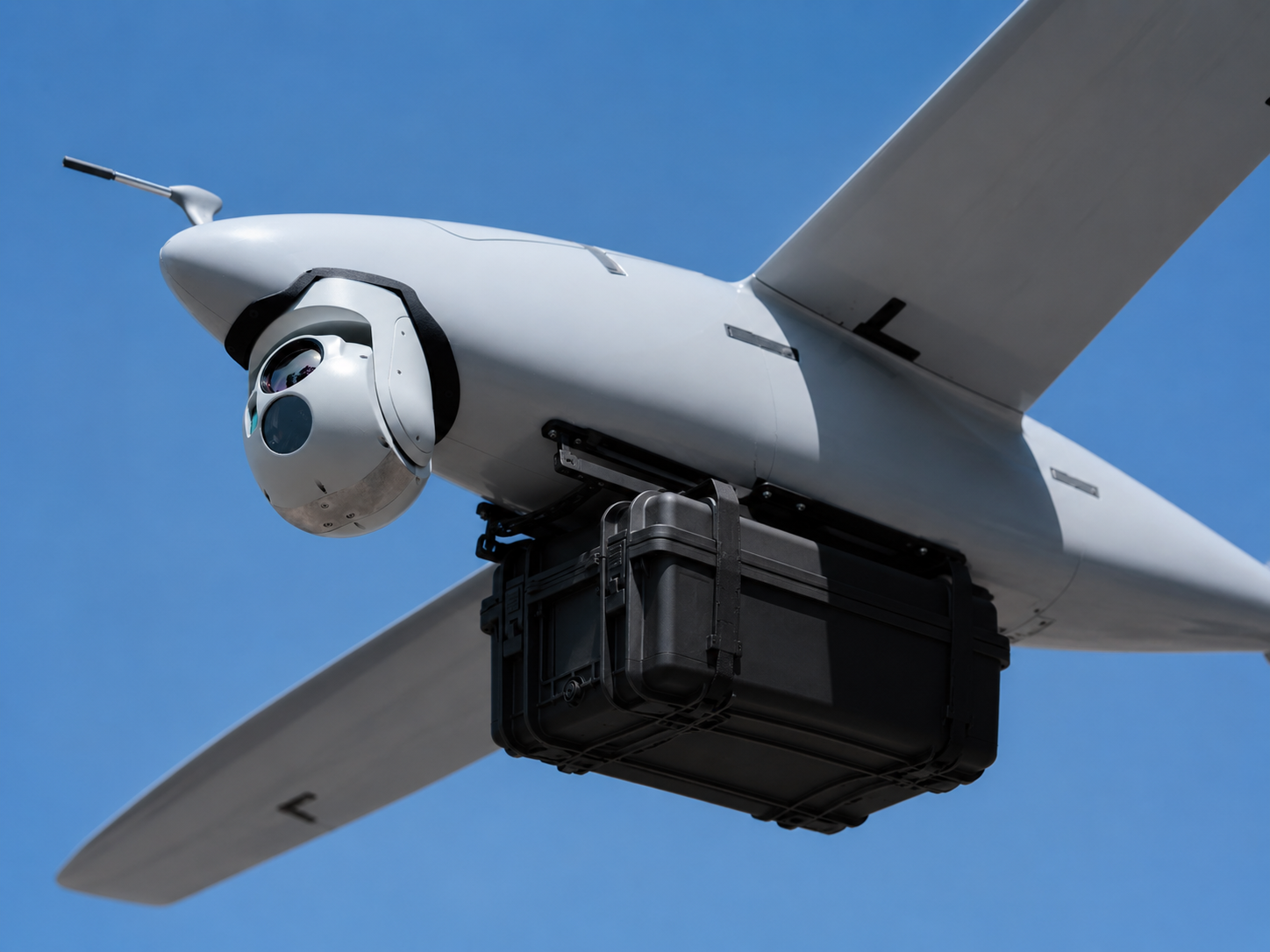
A portable fixed-wing UAV offers a highly practical solution for missions that require mobility, low logistical burden, and rapid deployment. Hand-launched systems are especially valuable when operators need to transport the aircraft easily, deploy it without specialized support equipment, and begin mission execution with minimal setup time. This type of airframe is particularly suitable for reconnaissance, terrain analysis, environmental monitoring, corridor inspection, and other operations where quick response and efficient area coverage are essential. By combining portability with fixed-wing flight efficiency, hand-launched UAV platforms provide a strong balance between operational simplicity and field performance.
Runway-Capable UAV Platforms for Stable and Repeatable Operations
A runway-capable UAV platform is designed for missions that benefit from conventional ground-based takeoff and landing dynamics. In environments where prepared surfaces or runway access are available, this configuration supports efficient fixed-wing performance with stable launch behavior, controlled recovery, and high repeatability across recurring missions. This makes wheeled takeoff and landing UAV systems particularly effective for large-area surveying, infrastructure inspection, perimeter monitoring, and other professional operations that require aerodynamic efficiency, predictable mission execution, and repeatable flight performance over time. For organizations operating from established field bases, runway-capable UAV platforms can offer a practical and scalable mission solution.
Multirotor UAV Platforms for Precision Hovering and Close-Range Operations
A multirotor UAV platform is optimized for stable hovering, precise maneuvering, and close-range mission execution in environments where positional control and flight responsiveness are critical. These systems are particularly effective in inspection, visual monitoring, imaging, confined-area operations, and other scenarios where the aircraft must maintain accurate positioning while capturing mission-relevant data. Their ability to operate at low speed, hold position precisely, and respond rapidly to operator input makes multirotor UAVs a strong choice for industrial sites, urban environments, structural inspection tasks, and complex near-field operational scenarios.
FPV-Ready Multirotor Systems for Defense-Relevant and Security-Oriented Missions
In addition to conventional multirotor applications, FPV-ready multirotor UAV systems play an increasingly important role in security-oriented and defense-relevant mission profiles that require low-latency visual control, agile maneuvering, and high operator awareness in complex environments. FPV capability is especially valuable in missions involving close-range reconnaissance, rapid route assessment, urban and confined-space navigation, tactical observation, and time-sensitive situational awareness. In these contexts, the platform’s responsiveness, direct visual feedback, and close-proximity control characteristics become critical operational advantages. At UHUAV, the multirotor class can be aligned with customer-specific FPV mission requirements, including preferred control architecture, visual subsystem integration, mission payload configuration, and operator-driven deployment logic, depending on the mission profile and end-user need.
Customer-Specific UAV Platform Configuration and Mission Adaptation
A mission-ready UAV platform should not be limited to a fixed configuration when operational requirements vary across customers and sectors. That is why UHUAV’s platform philosophy includes customer-specific configurability across selected airframes, payload layouts, sensor integrations, mission electronics, and deployment concepts. Depending on the platform class and mission scope, systems can be adapted to support different operational priorities such as endurance, portability, close-range maneuverability, real-time observation, mapping efficiency, or defense-relevant FPV workflows. This modular approach helps ensure that the UAV system is aligned not only with the general application area, but also with the specific mission logic, field conditions, and operational expectations of the end user.
Choosing the Right UAV Platform for the Mission
Each UAV category serves a different operational purpose. VTOL platforms are ideal when flexible launch capability and large-area coverage are both required. Hand-launched fixed-wing systems are suited for portable and rapidly deployable missions. Runway-capable airframes support stable and repeatable operations from prepared surfaces. Multirotor systems deliver precise hovering and close-range control, while FPV-ready multirotor configurations extend that capability into more agile, defense-relevant, and customer-configurable mission environments. By offering multiple UAV platform classes instead of a one-size-fits-all solution, UHUAV supports a more practical and mission-oriented approach to aerial system development.
UHUAV’s Platform Approach
At UHUAV, we view platform development as a mission architecture decision rather than a simple airframe selection problem. Our UAV platforms are designed to support mission-specific deployment, payload flexibility, operator-centered control logic, and customer-aligned configuration across diverse operational environments. From VTOL drones and portable fixed-wing UAVs to runway-capable platforms and FPV-ready multirotor systems, we aim to provide scalable aerial solutions for industrial, security, inspection, surveillance, reconnaissance, and defense-relevant applications where platform choice directly affects mission success.
0 Comments
Add a comment