PAYLOAD-CAPABLE
mission integration focusVTOL / UAV
mission platformsR&D + Production
engineering workflowField Ready
explore platforms
An autonomous UAV mission is a predefined flight operation in which the operator configures the mission route, rules, and payload behavior while the drone executes takeoff, mission tasks, and return procedures automatically.
Operator-defined mission execution means the user plans the route, task logic, and mission parameters, while the aircraft handles autonomous takeoff, waypoint execution, task completion, and return-to-home through onboard flight logic.
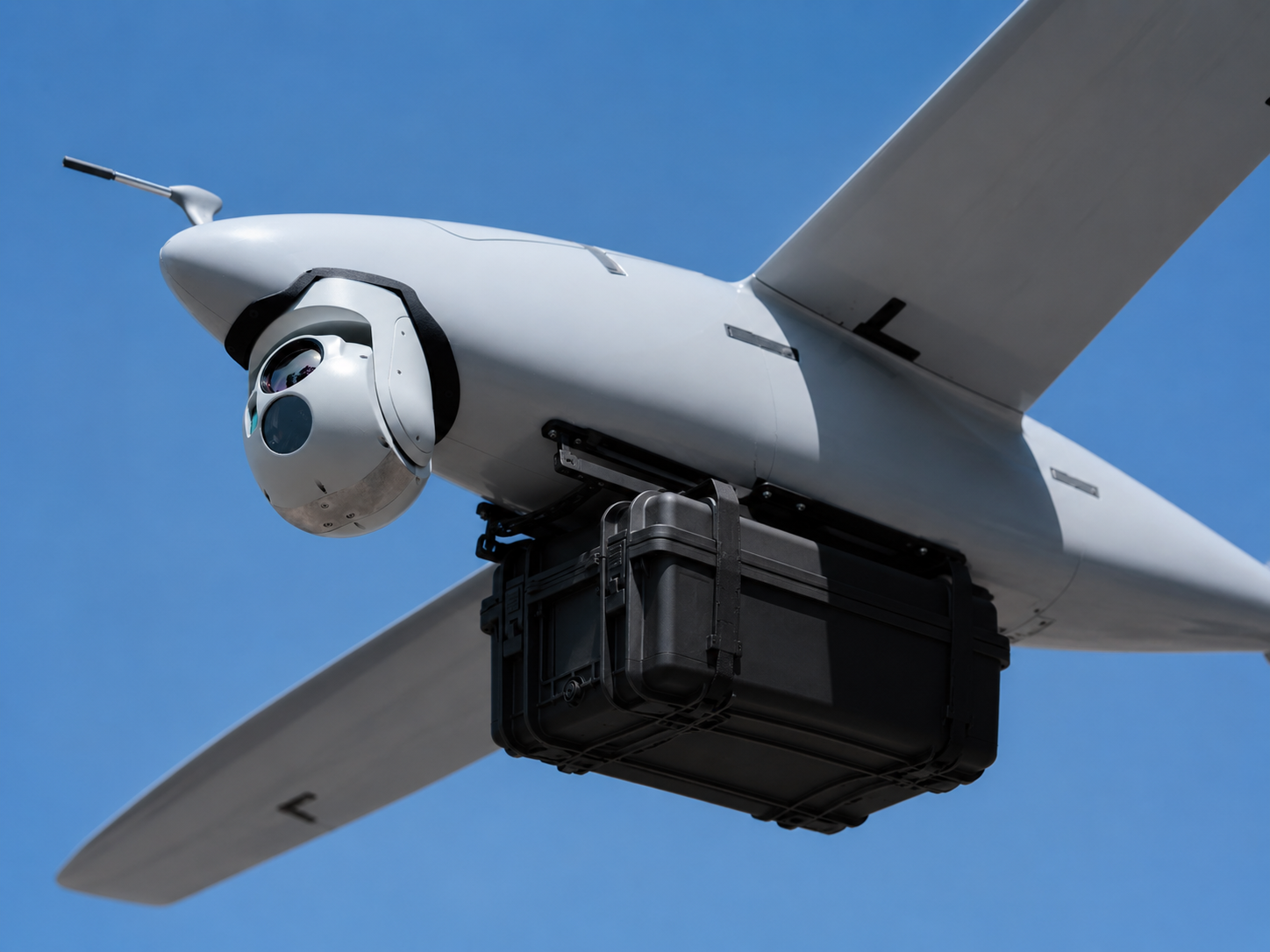
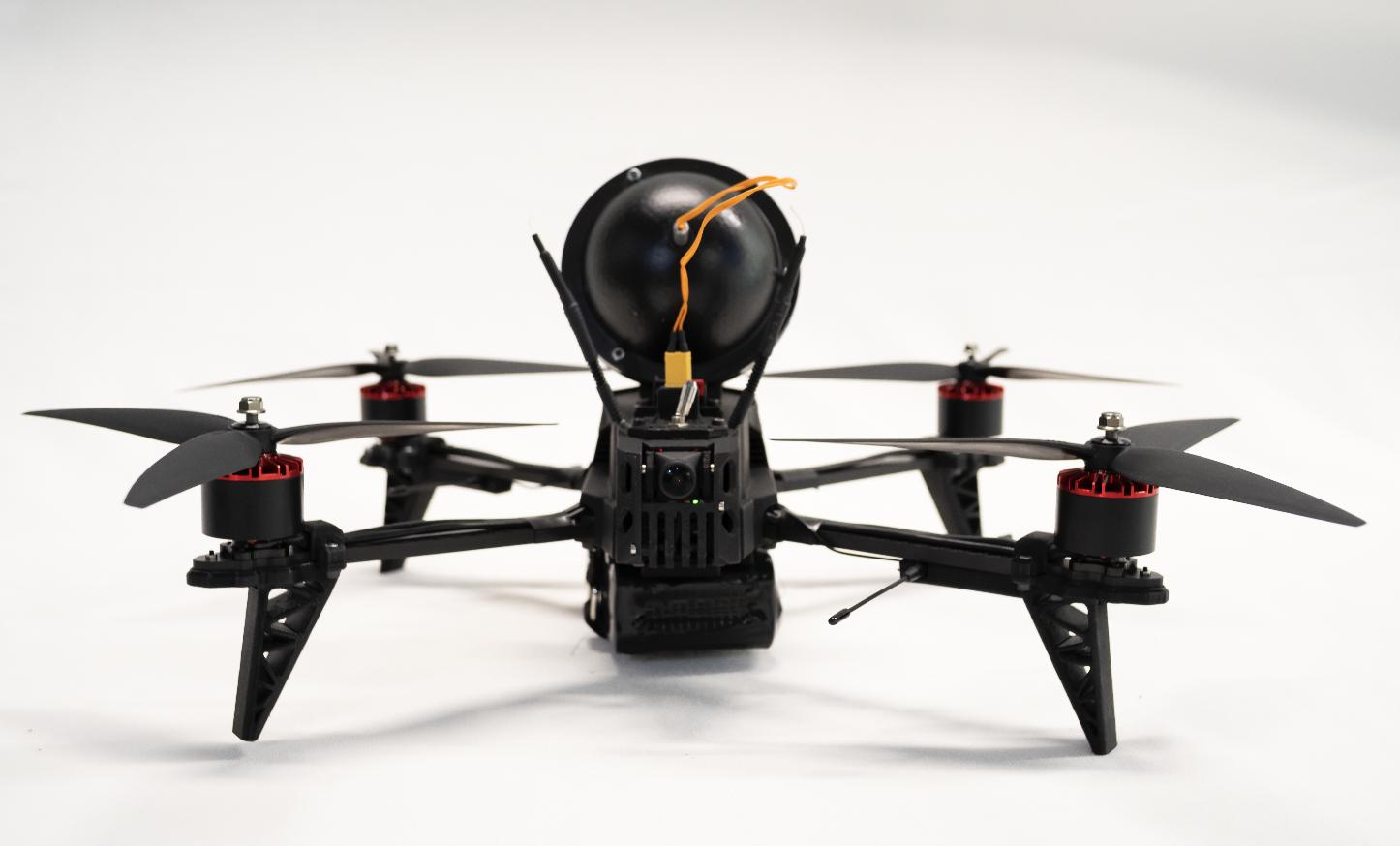
Supported payload options can include stabilized EO/IR imaging systems, RF scanning equipment, laser rangefinders, mapping sensors, inspection payloads, and other customer-specific subsystems depending on airframe class, power budget, and mission objectives.
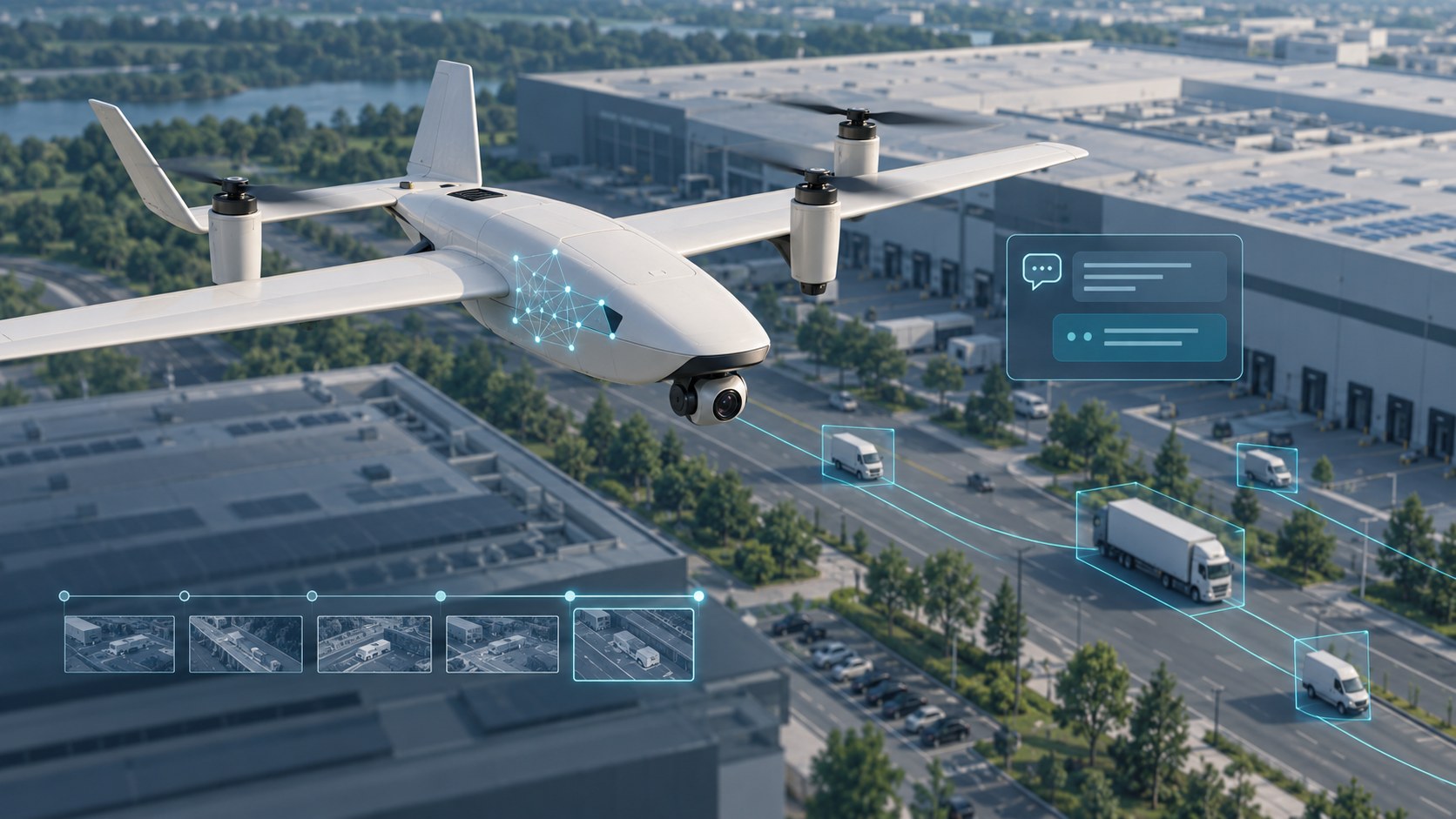
Mission reliability is improved through onboard computing, AI-assisted analysis, sensor cross-checking, route adherence logic, and continuous evaluation of mission conditions to reduce deviation and support stable execution.
Yes. The operator remains in control of the overall mission and can monitor progress, review telemetry, pause or adjust operations when required, and retain final authority over mission-critical decisions.
Yes. Through conversational mission intelligence, the operator can ask natural-language questions about current conditions, past observations, spatial relationships, and mission events, and receive context-aware answers generated from onboard and mission data.
UHUAV platforms are designed for mapping, inspection, mine site monitoring, solar power plant inspection, wide-area surveillance, search and rescue, and other industrial, security, and mission-specific operations.